Manufacturing
Manufacturing Software Development
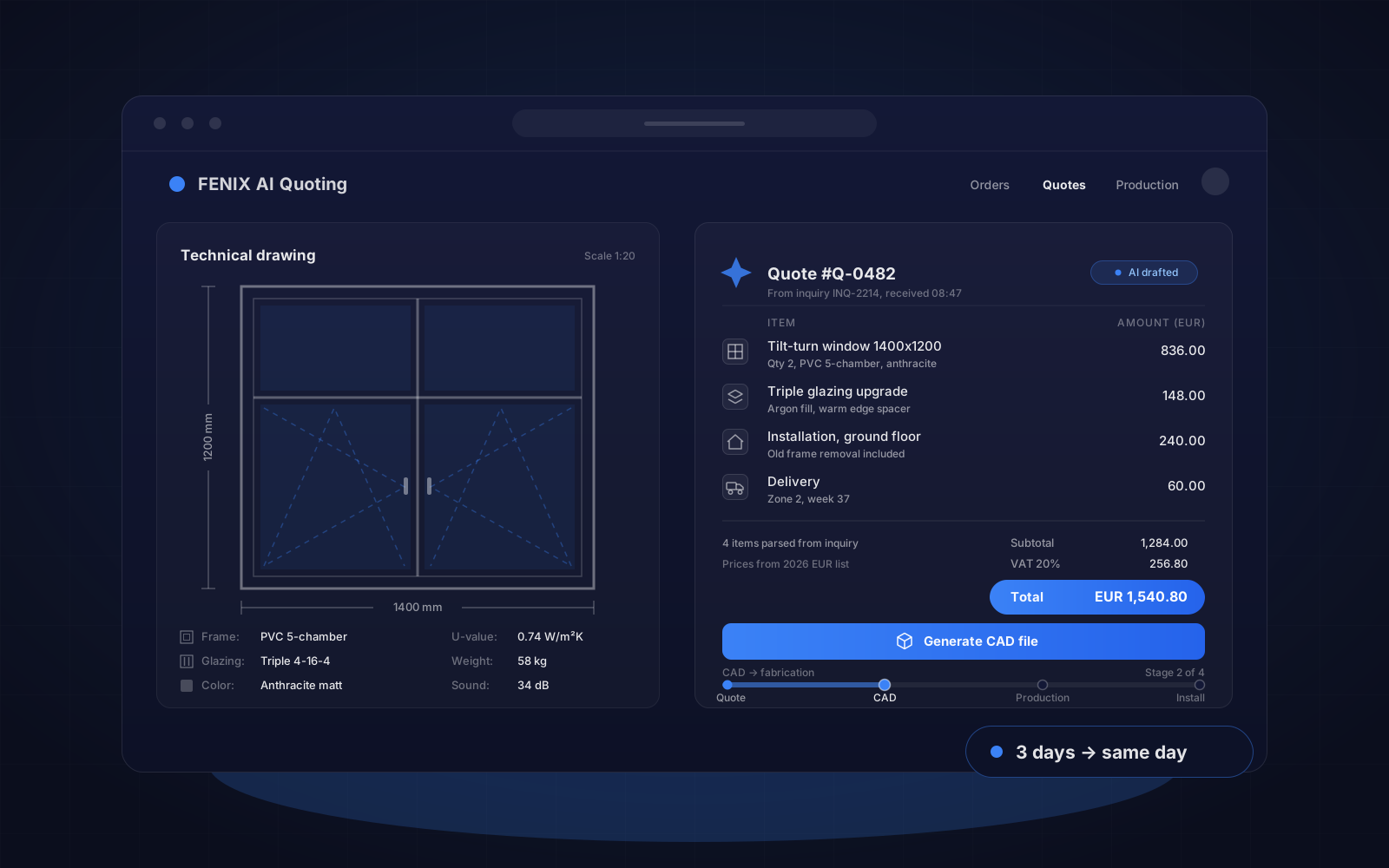
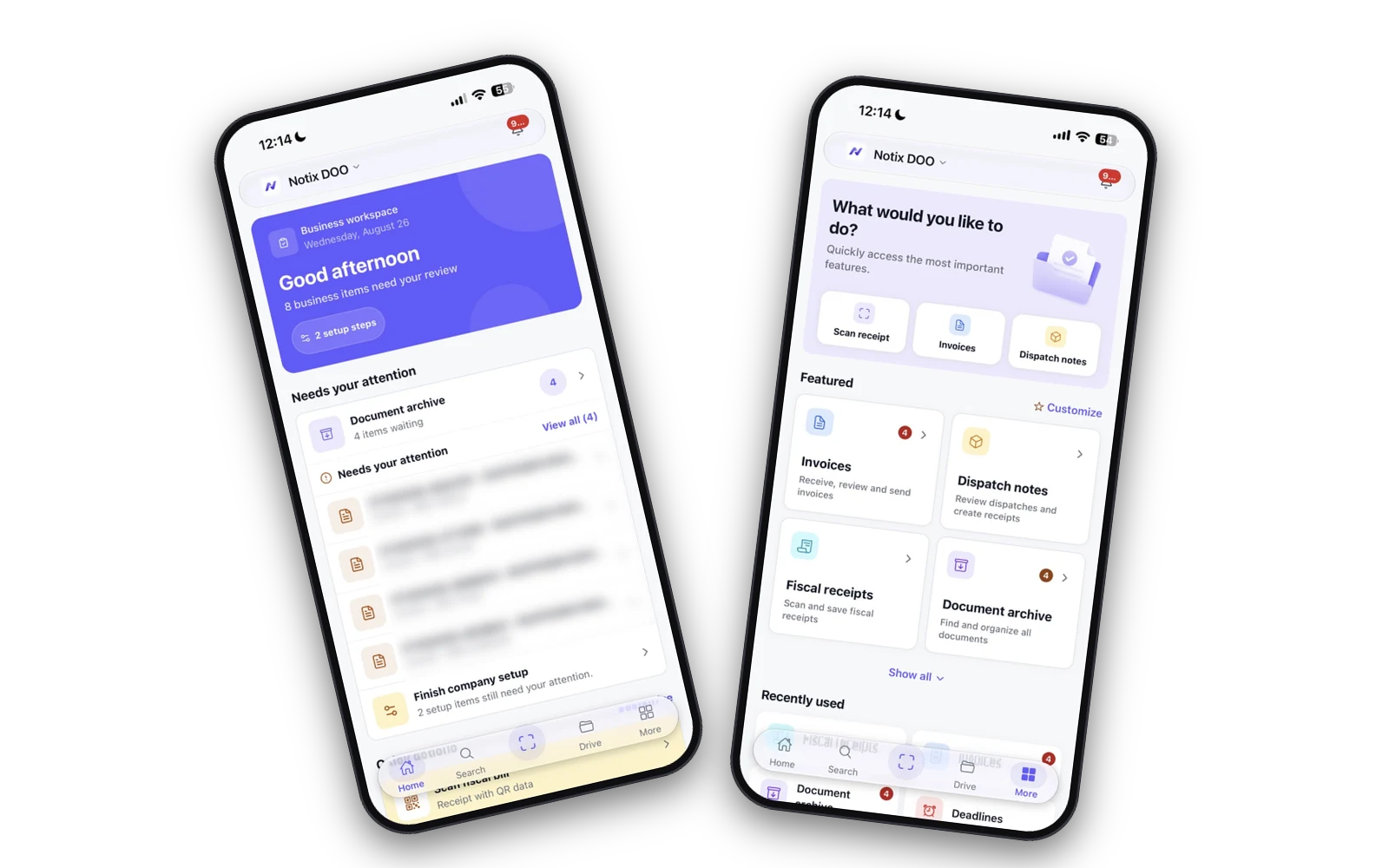
Most plants do not have a software problem. They have a data problem that surfaces as three-day quotes, surprise scrap, and a CBAM file nobody wants to defend in an audit. We build the systems that close that gap: FENIX, a windows and doors manufacturer, went from about three days of quote turnaround to same day with fabrication defects down 35% after we automated the CAD to fabrication handoff. We also run our own product, Arhivix (500+ companies), so we scope like a team that has to live with the system, not just ship it.
The problem
Where manufacturing teams get stuck.
Quotes take days and the margin is a guess
Sales sends a takeoff to engineering, engineering redraws it in CAD, production reprices it, and three days later the customer gets a number built on last year's scrap rate. FENIX ran exactly that loop before we automated the handoff from measurement to CAD to fabrication.
Every day of turnaround is a job a faster competitor already quoted, and every manual redraw is a defect waiting to reach the shop floor.
CBAM data your ERP was never built to hold
Since 1 January 2026 the Carbon Border Adjustment Mechanism runs under its definitive regime: authorization, declarations, and certificates surrendered against embedded emissions. Verified supplier numbers replace comfortable defaults.
That data sits in three incompatible places: an ERP item master with drifting CN codes, a customs broker classification list, and supplier emissions in whatever format each mill felt like sending. Reconciling those by hand every quarter is a full job, not a task.
Sensors everywhere, insight nowhere
A single vibration sensor sampling at 10 kHz produces roughly 1.7 GB per day, and a plant running hundreds of mixed sensors generates terabytes. Most of it lands in a historian nobody queries and a dashboard nobody trusts.
The blocker is rarely the model. It is data quality: sensors drift, fail silently, and get miscalibrated, so anything built on that feed predicts confidently and wrongly.
The integration tax nobody budgets for
The hard part of a plant project is almost never the new system. It is the MES, the ERP, the SCADA layer, the CAD library, and the equipment protocols: Modbus, OPC UA, and PROFINET sitting next to modern MQTT streams, some of it on machines with a fifteen year service life.
Plan for at least 40% of the timeline to disappear into integration work. The projects that budget 10% are the projects that slip.
What we build
How we solve it.
Compliance
The rules that shape the build.
CBAM: the definitive regime is live
Since 1 January 2026 the Carbon Border Adjustment Mechanism applies under its definitive regime, covering imports of cement, iron and steel, aluminum, fertilizers, electricity, and hydrogen. The obligations that come with it are authorization, reporting, and the purchase and surrender of CBAM certificates matched to the embedded emissions of each import.
The engineering consequence is that Commission default values stop being a comfortable fallback. Every in-scope shipment needs a traceable chain from declaration line to supplier production batch to verifier opinion, plus a monthly reconciliation between the ERP item master, the customs broker classifications, and the import documents. If you produce steel or aluminum outside the EU, the same pressure reaches you as a data request from your EU customer.
EU Data Act: machine data stops being yours alone
The EU Data Act has applied since 12 September 2025. Users of connected products, including the plants that buy your machines, can access the data those machines generate and pass it to third-party providers for repair and maintenance. The regulation also requires that connected devices placed on the EU market be designed to allow that sharing.
The harder deadline is design, not disclosure: the access-by-design obligation covers connected products made available on the EU market after 12 September 2026. A machine generation that ships without a documented data model, an access API, and a permissioning path turns into a retrofit for the same firmware team that is already behind.
Machinery Regulation and the Cyber Resilience Act
Regulation (EU) 2023/1230 applies on a mandatory basis from 20 January 2027. It brings safety functions delivered in software, including AI-powered ones, inside the machinery safety regime, adds cyber-safety provisions for compliance-relevant software and safety control systems, and sets the conditions for digital instructions and digital declarations of conformity.
The Cyber Resilience Act stacks on top of it for any product with digital elements: vulnerability and incident reporting obligations apply from 11 September 2026, the main obligations from 11 December 2027. In build terms that means a software bill of materials, a signed and resumable update path with rollback, and a reporting runbook you can execute in hours, for equipment you will support for the next decade and a half.
ESPR and the Digital Product Passport
The Ecodesign for Sustainable Products Regulation entered into force on 18 July 2024 and introduces the Digital Product Passport, a digital identity card carrying technical performance, materials and their origins, repair activity, and recyclability. The 2025 to 2030 working plan adopted in April 2025 names steel and aluminum, textiles, furniture, tires, and mattresses among the first priority groups.
For a manufacturer this is a PLM and product master problem before it is a compliance problem. Passport fields have to be captured at the point of production, versioned per batch, and resolvable from a QR, NFC, or RFID carrier for years after the unit leaves the yard. Teams that treat it as one more label print end up rebuilding the data model twice.
Proof
Products we have shipped.
Related reading


FAQ
Common questions.
Let's talk
Bring us your slowest workflow.
Book a free 30-minute call. Come with the quote that takes three days, the CBAM file you would not want audited, or the sensor data nobody reads, and we will tell you what is worth building, what to buy instead, and what to leave alone. Every inquiry gets a reply within 24 hours.
Book a Free Consultation